Renting a car is one of the best ways to explore Aruba. The island is small, safe, and easy to navigate, making it perfect for first-time visitors who want the freedom to explore beyond the resort areas. Here’s everything you need to know before getting behind the wheel.
Basic Driving Rules
Aruba follows traffic rules similar to the United States and Europe, making it easy for most international visitors:
Drive on the right side — Aruba drives on the right side of the road, just like the US and most of mainland Europe.
Speed limits — In urban areas, the limit is typically 30-40 km/h (about 20-25 mph). On main roads outside towns, limits range from 60-80 km/h (35-50 mph). Speed limits are posted in kilometers.
Seat belts — Required for all passengers by law.
Mobile phones — Using a handheld phone while driving is prohibited. Use hands-free if you need GPS navigation.
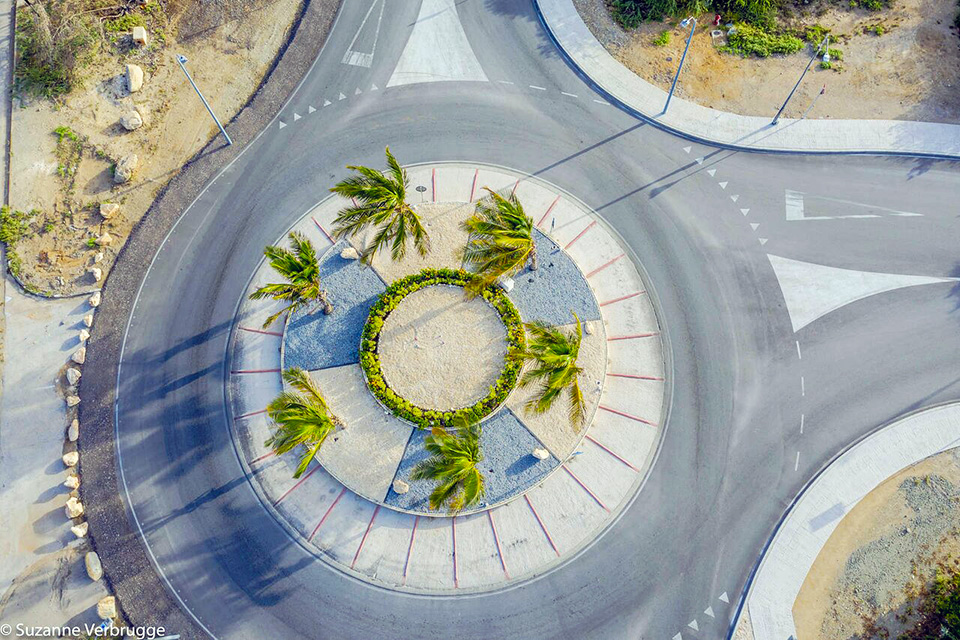
Right of way — At roundabouts, vehicles already in the circle have the right of way.
Road Conditions
Aruba has well-maintained paved roads throughout most of the island, especially in the hotel areas, Oranjestad, and San Nicolas. Main roads are clearly marked and easy to follow.
However, some popular attractions — particularly in Arikok National Park and along the northern coast — are accessible only via unpaved dirt roads. These roads can be rough and rocky.
Tip: If you plan to visit off-road areas like the Natural Pool (Conchi), Natural Bridge, or remote beaches, consider renting an SUV or 4×4 vehicle for a more comfortable ride.
Parking in Aruba
Parking is generally easy and affordable throughout the island:
Beaches — Most beaches have free parking, either in designated lots or along the road.
Oranjestad — The capital has both free street parking (limited time) and paid parking lots. Look for public lots near the cruise terminal and main shopping areas.
Hotels — If you’re staying at a resort, ask about parking options. Some hotels offer free parking for guests, while others charge a daily fee.
Arikok National Park — There are designated parking areas throughout the park. An entrance fee is required (approximately $15 per person).
Requirements for Renting a Car
To rent a car in Aruba, you’ll need:
Valid driver’s license — Your license from your home country is accepted. International driving permits are not required for most visitors.
Minimum age — Most rental companies require drivers to be at least 21-25 years old.
Credit card — Required for the security deposit.
Reservation — While walk-in rentals are possible, we recommend booking in advance, especially during peak tourist season (December-April).
Tips for Driving in Aruba
Use GPS or maps — Download offline maps before your trip, or use your phone’s GPS. Most roads are straightforward, but having navigation helps when exploring remote areas.
Fill up in town — Gas stations are located mainly in Oranjestad, San Nicolas, and along the main roads. If you’re heading to the national park or northern coast, make sure you have enough fuel.
Watch for iguanas — Aruba is home to many iguanas that sometimes cross the road. Drive carefully, especially in quieter areas.
Avoid driving at night in remote areas — While Aruba is very safe, some rural and unpaved roads are not well-lit.
Roundabouts are common — Aruba uses roundabouts instead of traffic lights at many intersections. Remember: yield to traffic already in the circle.
Is Renting a Car Worth It?
Absolutely. While taxis and tours are available, having your own vehicle gives you:
- Freedom to explore on your own schedule
- Access to beaches and attractions away from tourist areas
- Savings compared to multiple taxi rides
- Convenience for families traveling with children and gear
The island is only about 20 miles long and 6 miles wide, so you can easily drive from one end to the other in under an hour.